Decorated catalog product
Often fits when speed, lower quantities, or a familiar base product matter most.
Stitchi helps evaluate custom-built products when a catalog item and decoration cannot deliver the construction, materials, details, or packaging the brief requires.
Start by comparing custom with a simpler production path
Custom manufacturing can create a more ownable result, but it introduces additional decisions and dependencies.
Often fits when speed, lower quantities, or a familiar base product matter most.
May change selected colors, trims, labels, packaging, or construction details where available.
May fit when the product itself must be developed around a distinct specification.
Start with the decisions that shape the work
The useful answer depends on the brief, not a fixed package.
Define function, dimensions, materials, colors, finishes, labels, and packaging.
Custom work can carry different minimums and development costs.
Plan how prototypes, revisions, and final authorization will work.
Development, production, and transportation must all fit the schedule.
Keep responsibilities clear before production
Stitchi coordinates the agreed merchandise work; your team owns the inputs and approvals only it can provide.
Scoping, sourcing, supplier communication, sampling, production details, and the agreed delivery plan.
The product brief, budget, prototypes, artwork, quantities, and acceptable tradeoffs.
Minimums, materials, tolerances, testing, ownership, and lead time vary by product and supplier.
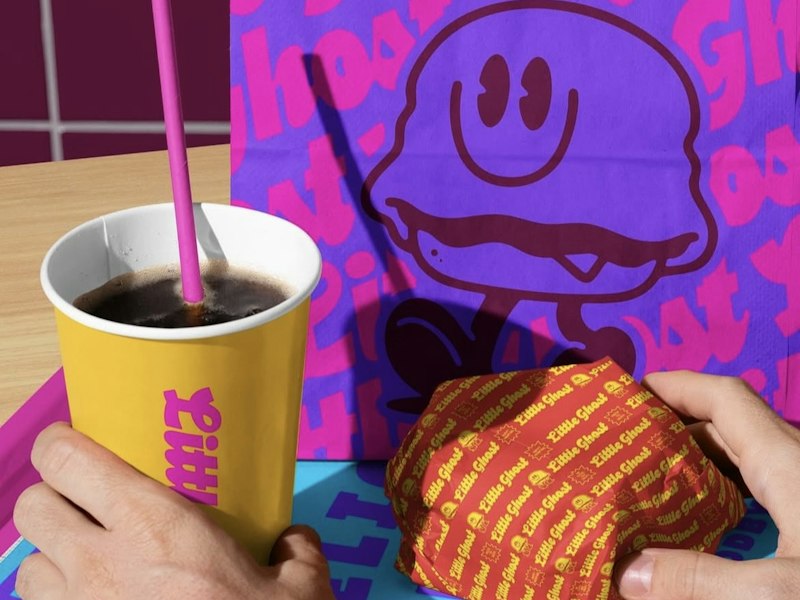
Little Ghost launched six custom packaging SKUs
The documented project moved from design to delivery in 60 days. It shows one custom manufacturing brief, not a standard lead time.
Questions to resolve before you commit
The product or packaging is developed to a custom specification rather than only adding a logo to a stock item.
There is no universal minimum. It depends on product, materials, construction, supplier, and customization.
A prototype or sample may be part of the plan. Confirm its purpose, cost, timing, and approval criteria during scoping.
No. Development, revisions, production, transportation, and approvals vary. Start with the required date so feasibility can be checked.
Continue planning the connected work
Share the specification, quantity, budget, date, and what a catalog product cannot accomplish.